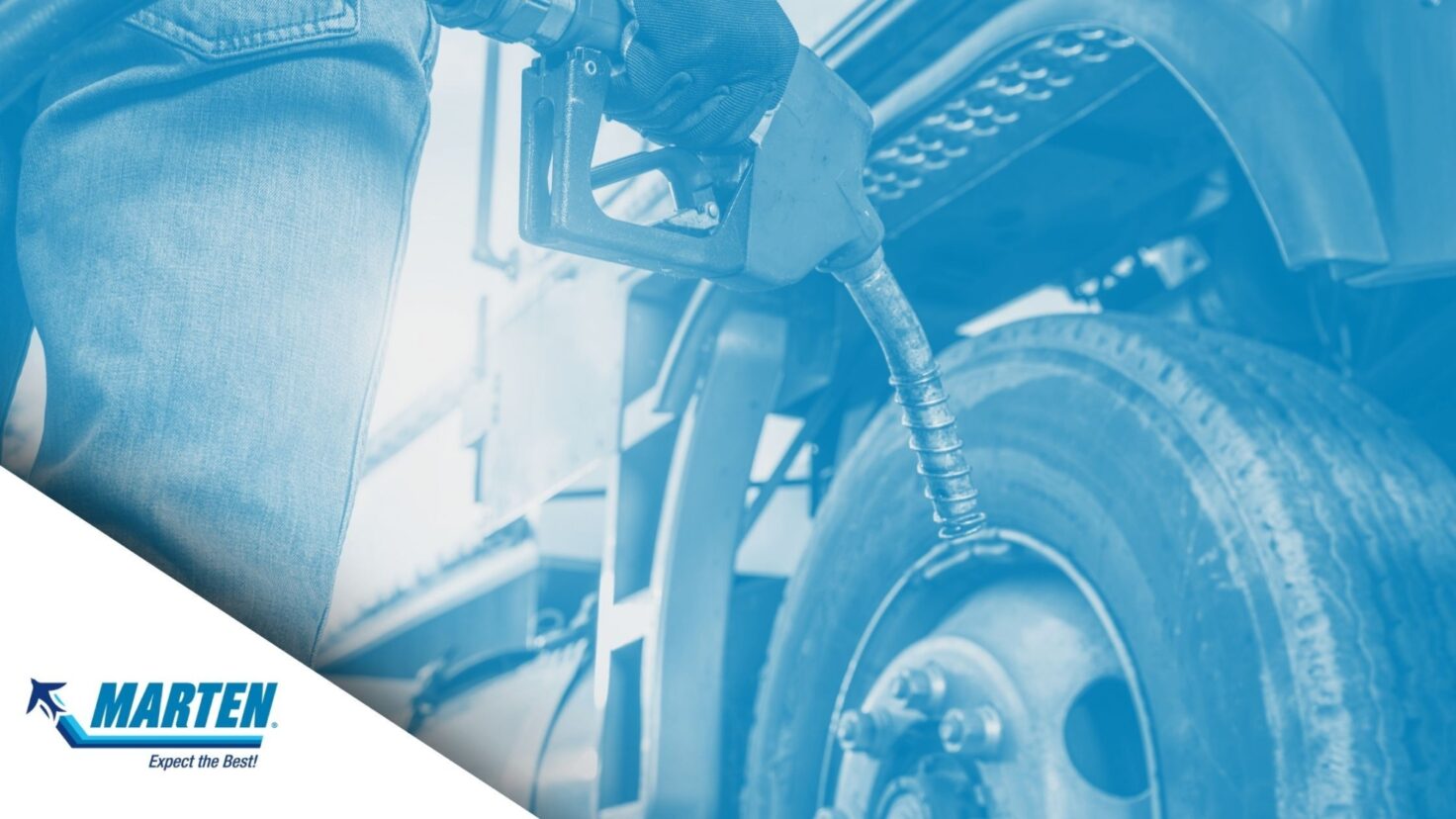
Why Fuel Programs Matter More During Rising Diesel Prices
For professional truck drivers, fuel prices affect far more than what shows up on a receipt. When diesel costs rise, the impact reaches nearly every part of the transportation industry, influencing operating expenses, route planning, freight networks, and overall efficiency.
While fuel programs are designed to help manage these costs, their success depends on more than discounts and technology alone. They rely on the commitment and cooperation of drivers who make strategic fueling decisions every day on the road.
At Marten, fuel optimization is a team effort. Our fuel program is designed to help control costs, improve efficiency, and support long-term operational stability, but it only works when drivers actively participate. As fuel prices continue to fluctuate, following recommended fuel stops and purchasing guidelines has become more important than ever.
Rising Diesel Prices Affect More Than Fuel Stops
When diesel prices increase, many drivers immediately think about the cost of filling the tanks. However, the effects often extend much further.
Higher fuel costs can impact operating expenses, route planning, freight efficiency, idle time management, and overall productivity. For owner-operators and independent contractors, fuel is often one of the largest expenses they face. Even company drivers can feel the effects indirectly when carriers encounter increased operating pressures across their fleets.
That's why fuel programs have become such an important part of modern trucking operations. During periods of higher diesel prices, they help carriers manage costs while maintaining efficient service for customers.
What Makes a Fuel Program Effective?
A strong fuel program goes beyond simple discounts at the pump. The most effective programs combine strategic fuel networks, optimized routing, modern equipment, and consistent freight planning to reduce unnecessary fuel consumption across the operation.
At Marten, fuel efficiency starts with smart planning. Recommended fuel stops are selected to help drivers access competitive fuel pricing while keeping freight moving efficiently. Modern equipment and fuel-saving technologies also contribute to reducing fuel consumption and improving overall operational performance.
Consistent freight plays an important role as well. Strong customer relationships and efficient freight networks help reduce unnecessary miles, improve route planning, and support a more productive operation.
Together, these efforts help control costs while supporting the long-term strength of the company.
Driver Participation Makes the Difference
Even the strongest fuel program can only deliver results when drivers actively support it.
Fuel recommendations are developed using extensive planning and data to identify the most efficient fueling locations throughout Marten's operating network. These recommendations are designed to maximize savings while minimizing disruptions to freight movement.
As diesel prices fluctuate, every gallon matters. While a single fueling decision may seem small, the collective impact of drivers consistently following fuel recommendations creates significant savings across thousands of trucks and millions of miles.
Driver cooperation plays a critical role in helping Marten manage fuel expenses while maintaining the high level of service our customers expect. Those savings also help support continued investments in equipment, technology, freight opportunities, and driver-focused programs.
Fuel efficiency is ultimately a shared responsibility, and every driver's participation contributes to the success of the operation.
Why Following the Program Matters
Fuel optimization isn't simply about lowering costs. It helps create a more efficient operation overall.
When drivers follow recommended fuel stops and purchasing guidelines, it supports better planning, stronger operational consistency, and more efficient use of resources. Those efficiencies help Marten remain competitive while continuing to invest in the people, equipment, and systems that support our drivers.
The transportation industry will always experience changes in fuel prices and market conditions. Maintaining a disciplined approach to fuel management helps ensure we're prepared to navigate those changes effectively.
Working Together for Long-Term Success
Fuel prices will continue to rise and fall, but operational efficiency remains one of the most important factors in maintaining a strong, stable operation.
At Marten, our fuel program is designed to help manage costs through strategic planning, modern equipment, and a strong freight network. But the success of those efforts depends on the drivers behind the wheel.
We appreciate the commitment our drivers demonstrate every day. By working together and following the program's recommendations, we can continue building the efficiency, stability, and long-term success that benefit both our drivers and our operation.