What Drivers Should Know About Operations in Trucking
In trucking, freight does not move because of one person alone. It moves because drivers, dispatchers, planners, maintenance teams, safety departments, and operations staff all work together toward the same goal: delivering freight safely, efficiently, and on time.
For drivers, it can sometimes feel like operations teams are working behind the scenes while drivers handle everything on the road. But experienced drivers know successful trucking operations depend on constant communication and coordination between every part of the company.
When communication stays organized and everyone understands the bigger picture:
- freight moves more efficiently
- schedules stay more predictable
- delays become easier to manage
- customers stay satisfied
- drivers experience less day-to-day stress
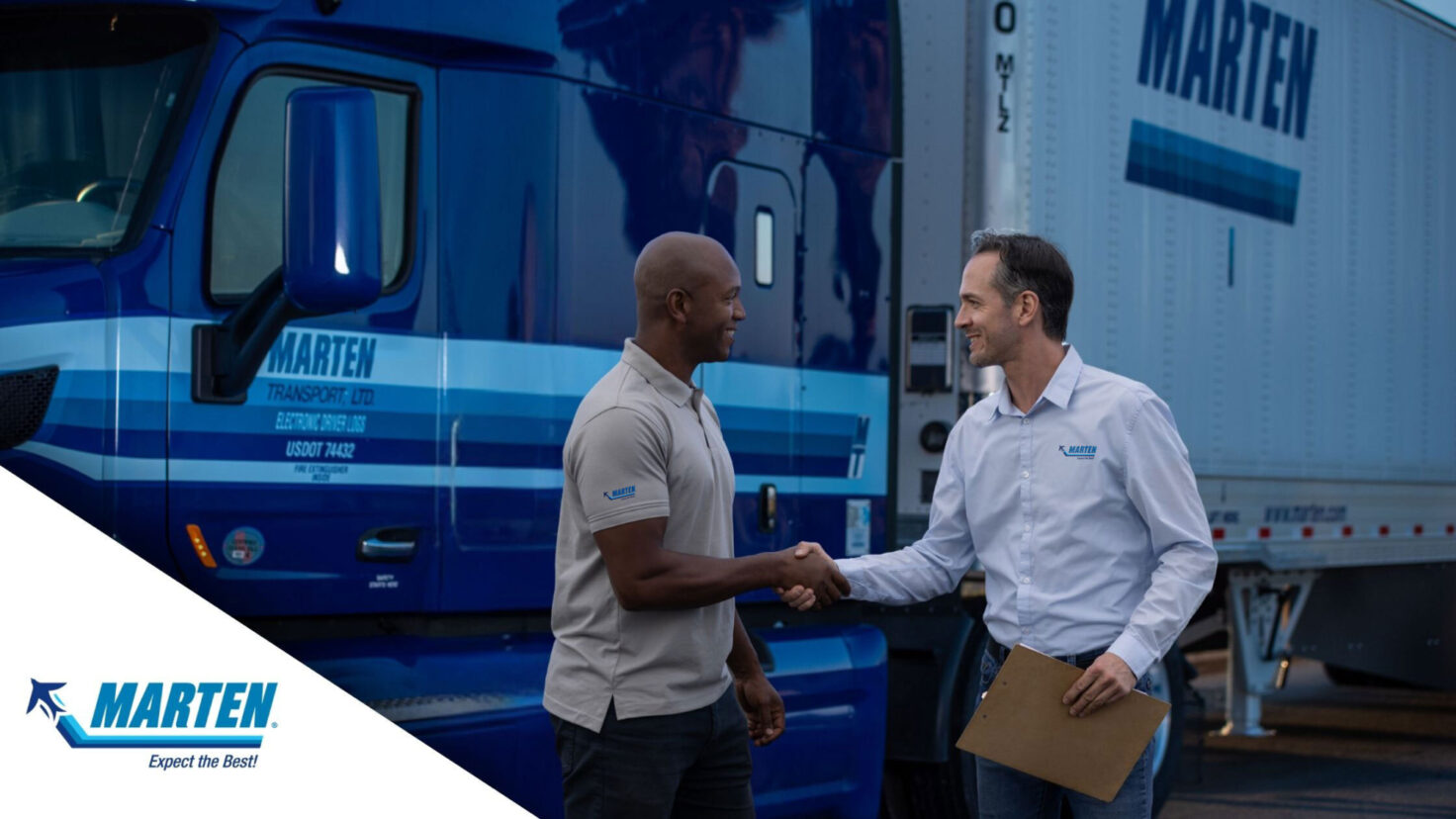
At Marten, keeping freight moving takes everyone working together as one team with one shared goal.
Why Is Trucking a Team Operation?
Even though drivers spend much of their time independently on the road, trucking is one of the most team-oriented industries there is.
Before a load is ever picked up, operations teams have already coordinated:
- freight planning
- scheduling
- appointment times
- customer requirements
- routing
- equipment assignments
Maintenance teams help keep trucks running safely and efficiently, while safety departments help drivers navigate compliance requirements and changing road conditions.
Once the load is moving, drivers become the face of the company. Safe driving, professionalism, and communication all directly affect customer relationships and operational success.
When each part of the operation stays aligned, freight keeps moving more consistently.
What Does a Trucking Operations Team Do?
Operations teams help coordinate the moving parts that keep freight running efficiently day after day. That often includes:
- scheduling loads
- adjusting routes
- communicating appointment updates
- coordinating customer needs
- solving delays and disruptions
- helping drivers stay informed throughout trips
Strong operations support can help reduce confusion, improve planning, and create a smoother experience for drivers on the road.
Why Is Communication Important in Trucking?
Communication is one of the biggest factors in creating a more manageable driving experience.
Drivers rely on accurate information about:
- appointments
- routes
- delays
- weather conditions
- customer expectations
- schedule changes
At the same time, operations teams rely on drivers for real-time updates from the road so they can:
- adjust schedules
- communicate with customers
- solve problems quickly
- reduce future disruptions
Strong communication helps reduce:
- missed appointments
- unnecessary downtime
- confusion around load details
- stress caused by last-minute surprises
- delays that affect future loads
In a fast-moving industry, small communication gaps can quickly create larger operational problems.
How Do Drivers and Dispatch Teams Work Together?
Drivers and dispatch teams work together constantly throughout the trip. Dispatch and driver managers help:
- coordinate freight
- communicate updates
- solve scheduling issues
- adjust plans when conditions change
- keep drivers informed throughout the load
Experienced drivers often evaluate how well operations teams:
- communicate expectations
- manage planning changes
- respond to problems
- support drivers during disruptions
Strong dispatch communication can significantly improve day-to-day consistency on the road.
How Does Maintenance Support Drivers?
Reliable equipment plays a major role in operational consistency. Preventative maintenance and responsive repair support help reduce:
- downtime
- trip interruptions
- unexpected delays
- operational stress
Maintenance teams help drivers stay productive by keeping trucks and trailers operating safely and efficiently across changing conditions. Experienced drivers often pay close attention to:
- equipment condition
- maintenance responsiveness
- repair turnaround time
- overall operating standards
Strong maintenance support can have a major impact on long-term job satisfaction.
Why Does Operational Consistency Matter to Drivers?
Experienced drivers often look beyond pay alone when evaluating a company. Operational consistency can affect:
- scheduling predictability
- stress levels
- downtime
- communication quality
- trip planning
- long-term work-life balance
Breakdowns in planning or communication can create unnecessary frustration. But when operations teams and drivers work together effectively, many of those problems become easier to manage. That can include:
- better trip planning
- more predictable schedules
- faster issue resolution
- improved routing efficiency
- reduced downtime
For many experienced drivers, operational consistency becomes one of the most important parts of long-term career satisfaction.
How Does Technology Help Trucking Operations?
Modern trucking operations rely heavily on technology to improve communication and coordination across the fleet. Tools like:
- real-time load tracking
- GPS routing
- messaging systems
- electronic logging devices
- maintenance reporting systems
- weather and traffic monitoring
all help drivers and support teams stay connected throughout the trip.
Technology cannot replace communication and teamwork, but it can help improve visibility, reduce delays, and make it easier to solve problems quickly when conditions change.
What Experienced Drivers Often Look for in Operations Support
As drivers gain experience, many begin evaluating companies based on how organized and supportive the operation feels day after day.
Questions like these often become more important over time:
- Is communication clear and consistent?
- Do dispatch teams stay organized?
- Are problems handled efficiently?
- Is freight planned well?
- Does the operation help reduce unnecessary stress?
- Are drivers supported when issues arise?
Those operational details often shape how sustainable and manageable a driving career feels over the long term.
FAQ
What Does Operations Mean in Trucking?
Operations refers to the teams responsible for coordinating freight movement, scheduling, routing, communication, customer updates, and overall trip management throughout the trucking operation.
Why Is Communication Important Between Drivers and Dispatch?
Strong communication helps reduce delays, scheduling confusion, missed appointments, downtime, and operational stress while improving coordination across the trip.
How Do Maintenance Teams Support Drivers?
Maintenance teams help keep trucks and trailers operating safely and efficiently through preventative maintenance, repairs, and equipment support that reduce downtime and disruptions.
What Makes a Trucking Operation Efficient?
Efficient trucking operations typically rely on strong communication, organized planning, reliable equipment, responsive support teams, and consistent coordination across departments.
Why Do Experienced Drivers Care About Operational Consistency?
Operational consistency affects scheduling, stress levels, downtime, communication quality, and overall job satisfaction long after recruiting incentives or onboarding are complete.
One Team, One Goal
At the end of the day, drivers and operations teams share the same goal: keeping freight moving safely, efficiently, and reliably.
At Marten, that shared commitment helps keep freight moving across the country every day. From the office to the road, successful trucking depends on communication, coordination, and teamwork across the entire operation.
If you want to be part of a team committed to supporting drivers through organized operations and strong communication, explore opportunities with Marten.