How to Handle the Unexpected: Preparing for Roadside Emergencies
Every truck driver has a story about an unexpected roadside emergency.
Maybe it was a blown tire in the middle of nowhere, an unexpected check engine light halfway through a load, a dead battery after a cold night, or waiting on the shoulder while traffic flies past just a few feet away.
None of those situations are fun. But here's what many drivers don't tell you: Roadside emergencies are usually less about what happened and more about how prepared you were when it happened.
The difference between a manageable inconvenience and a miserable, stressful day often comes down to having a plan before something goes wrong. Whether you're brand new to trucking or have logged a million safe miles, being prepared helps you stay safer, solve problems faster, and get back on the road with less frustration.
What Counts as a Roadside Emergency?
Not every emergency involves flashing lights or a tow truck. Some of the most common roadside situations include:
- Tire blowouts
- Battery failures
- Mechanical breakdowns
- Engine overheating
- Air system problems
- Trailer lighting or electrical issues
- Fuel problems
- Weather-related delays
- Minor accidents or roadside incidents
Some issues can be resolved quickly. Others require maintenance or roadside assistance. Either way, staying calm is your biggest advantage.
Step One: Protect Yourself Before You Protect the Truck
When something goes wrong, it's natural to focus on fixing the problem, but your first priority should always be your own safety. If possible:
- Pull completely onto the shoulder or another safe location.
- Turn on your hazard flashers immediately.
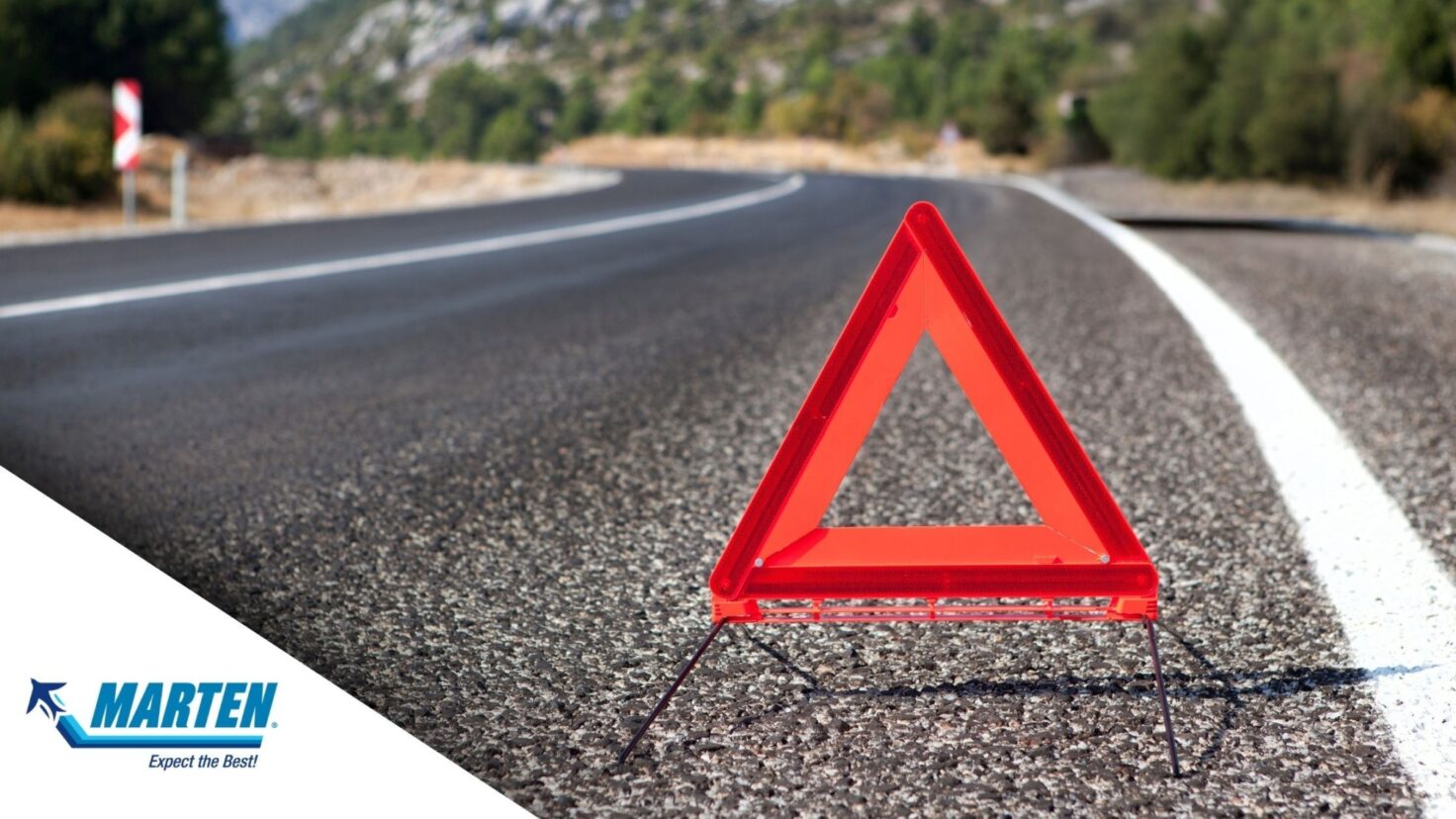
- Set out warning triangles according to FMCSA requirements.
- Stay alert to surrounding traffic.
- Wear high-visibility gear if you must exit the truck.
- Never stand between your truck and moving traffic.
Professional drivers know that passing vehicles often create the greatest risk during a roadside stop. The truck can be repaired. You can't replace your safety.
The Emergency Kit Drivers Wish They Built Sooner
One thing drivers rarely regret? Packing more than they think they'll need. A well-stocked emergency kit doesn't have to take up much space, but it can make a huge difference when you're waiting for help. Consider keeping:
- Flashlights with extra batteries
- Reflective safety vest
- Work gloves
- Tire pressure gauge
- Phone charger and backup battery
- First aid kit
- Bottled water and shelf-stable snacks
- Rain gear
- Blanket for cold weather
None of these items will fix every mechanical problem, but they'll make an unexpected delay far more manageable and less stressful.
Keep Your Information Together Before You Need It
When you're stressed, even simple information can suddenly be hard to find. That's why many experienced drivers keep important information in one place. That includes insurance information, registration, and maintenance and roadside assistance numbers.
Having everything organized saves valuable time when every minute counts.
Don't Ignore Small Warning Signs
Most major breakdowns don't happen without some warning.
Drivers often notice little things first, like a new dashboard warning light, a strange noise, an unusual vibration, small changes in brake performance, or fluid leaks.
It can be tempting to assume you'll "make it to the next stop." Sometimes you will. Sometimes you won't. Reporting issues early gives maintenance teams the best chance to prevent a much bigger repair later.
A Small Decision Can Become a Big Problem
When something doesn't seem quite right with your truck, you have a choice to make. You can assume it's minor and keep driving, or you can report it and let maintenance help determine the next step. Here's how those decisions often play out:
If You... | You May Avoid... |
Report a warning light early | A more expensive breakdown later |
Stop to inspect an unusual noise | Additional damage to major components |
Perform a thorough pre-trip inspection | Unexpected roadside delays during your route |
Contact dispatch as soon as an issue arises | Confusion, missed updates, and longer wait times for assistance |
Keep an emergency kit stocked | Unnecessary stress while waiting for help |
No one can prevent every roadside emergency. Preparation isn't about expecting the worst—it's about giving yourself more options when the unexpected happens.
Communication Makes Everything Easier
One of the biggest mistakes drivers make during a roadside emergency? Waiting too long to let someone know. If something happens:
1. Contact dispatch as soon as it's safe.
2. Explain what's happening clearly.
3. Share your exact location.
4. Let them know whether you're in a safe place.
5. Follow company procedures.
The sooner everyone knows what's happening, the sooner help can get moving. No one expects drivers to solve every mechanical problem alone.
Preparation Starts Before the First Mile
The best roadside emergency is the one that never happens. A thorough pre-trip inspection remains one of the simplest ways to reduce unexpected breakdowns. Take the extra few minutes to check your tires, lights, brakes, hoses, belts, and fluids.
It isn't just about passing inspection. It's about catching small problems before they become expensive—or dangerous—ones.
What Veteran Drivers Don't Tell You
Ask veteran drivers about roadside emergencies, and you'll hear plenty of stories. What you probably won't hear is panic.
Experience teaches drivers something important: Unexpected situations happen and preparation is what keeps them from becoming disasters. The drivers who seem calm during breakdowns aren't just lucky. They’ve built routines, packed the right equipment, communicated well, and learned that staying prepared beats reacting under pressure every time.
Frequently Asked Questions
What should I do first during a roadside emergency?
Move to a safe location if possible, activate your hazard flashers, secure the scene with warning devices, and make your own safety the top priority before addressing the mechanical issue.
What should every truck driver keep in an emergency kit?
At minimum, carry a flashlight, reflective vest, first aid kit, gloves, phone charger, basic tools, water, snacks, and weather-appropriate gear.
Should I try to fix the truck myself?
Only if it's safe and within your training and company policies. Many issues require roadside service or maintenance professionals.
How can I reduce my chances of a roadside breakdown?
Complete thorough pre-trip inspections, report maintenance concerns early, monitor warning lights, and avoid ignoring unusual sounds or vehicle behavior.
When should I contact dispatch?
As soon as you're safely stopped. Early communication helps coordinate roadside assistance, update delivery expectations, and get you moving again as quickly as possible.
The Best Drivers Prepare Before They Need To
The more prepared you are before an emergency happens, the more confident you'll be when one does.
Our drivers are backed by strong maintenance support, modern equipment, and a team that understands that keeping drivers safe is just as important as keeping freight moving. If you're looking for a carrier that invests in equipment, support, and the people behind the wheel, explore driving opportunities with Marten and see what it's like to drive with a company that's ready for the unexpected, too.